
This is an important question for us.
We're dedicated to scaling our curriculum by leveraging technology, and one of our primary concerns is the question of access to that technology. We leapt into the field of educational science apps with great enthusiasm–and we've learned a lot about what makes a good mobile app (and the magic of designer-developer chemistry) over the past two years. However, the concern over access remains present–are the apps we're developing reaching the people we want to reach?
In that post from two years ago, as we looked forward we acknowledged the app gap:
We work primarily with low income communities who need a lot of support learning how to access the internet, using keyboards, smart phones etc. We plan on making these apps a regular part of our in-person programs and documenting the learning/training process as well as the impact to further inform the field.
We have integrated these apps into our in-person programs (particularly the Curiosity Machine, using tablets to take pictures, and Ethers, our series of physics games for mobile devices), but when it comes to scaling our programs through technology, those concerns over access still remained. So when we found the following data (from reports from the Pew Institute from 2012-2014), we were very very surprised to learn that “Both African-Americans and Latinos have overall adoption rates that are comparable to the national average for all Americans. Smartphone penetration is 49% in each case, just higher than the national average of 46%” (2012)
We encourage you to take a look at the reports for yourself (links below), but here are some highlights we found particularly surprising:
Smartphone Ownership Demographics (Feb 2012):
Annual Family Income:
“When it comes to owning a smartphone, going online from a mobile device and using social networking sites, Latinos are just as connected with other Americans.”
Latinos with Annual Family Income (AFI) of $50,000 or more are the most likely to own a smartphone:
76% of Hispanic internet users say they access the internet on a mobile device, versus 60% of whites.
Meanwhile, Latino and Black internet users are equally likely to access the internet from a mobile device—76% and 73% respectively
Ultimately, smartphones narrow—but do not eliminate entirely—the “high speed access gap” between whites and blacks.
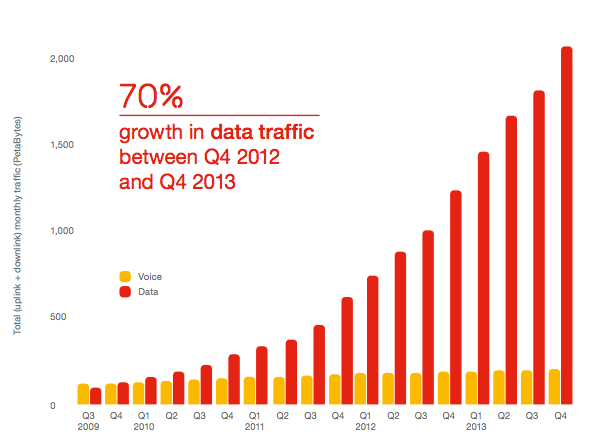
Placing this data alongside the recent report citing a 70% growth in data traffic in 2013, and the projections for mobile internet access, a different picture of smartphone access and mobile internet is emerging
Looking forward, the question of the quality of that access is emerging as well.
Pew References:
Copyright 2026 Technovation. All Rights Reserved
in the United States


