
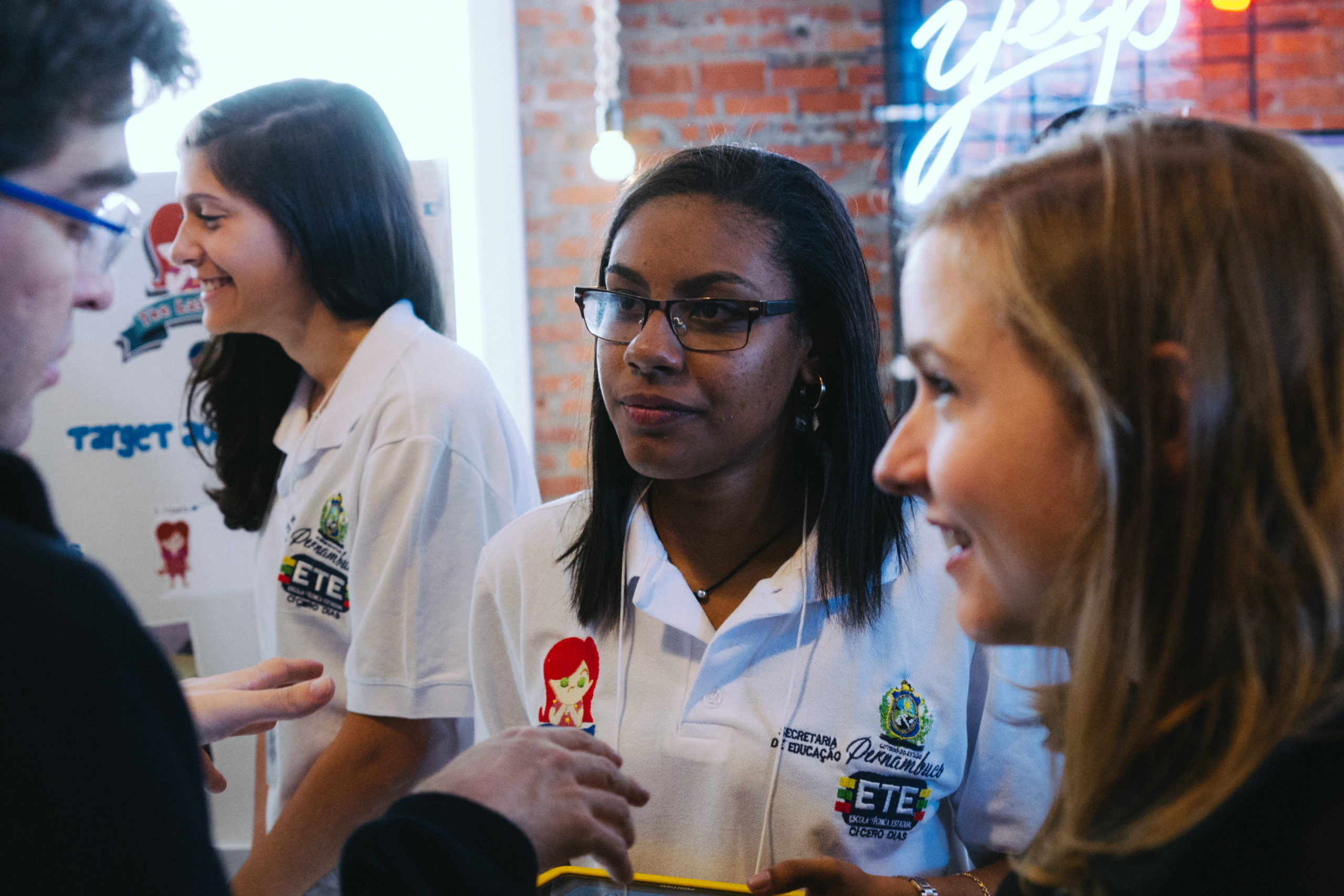
In the last year, school closures have affected approximately 90 percent of children worldwide, with 1.5 billion students out of school at the peak of the pandemic, according to the United Nations Development Program.
We are feeling the effects of those closures now, and will continue to feel them for years to come. When schools cannot reopen after a natural hazard, there are long-term impacts on students’ learning. For instance, in Pakistan children in areas affected by the 2005 earthquake experienced nearly three months of school closures. Four years later, those students remained one-and-a-half to two years behind. The impact of school closures affects some students more than others, with younger students being most affected. Additionally those who lived closer to the fault line scored significantly worse on tests — unless their mother had completed primary school education. Children whose mothers completed primary education did not experience that gap.
With the Covid-19 pandemic, school closures can create a multiplier effect on learning losses for millions of children. Girls and young women are particularly vulnerable — to early pregnancy, child marriage and gender-based violence.
What can we do to help children, especially girls, develop key capabilities so that they are able to thrive in these complex times? We can work together and share what we know, and what we learn.
Technovation will convene experts, leaders, educators and researchers to share their work, hard-earned findings, mistakes, secret tips and strategies so that we can better support children develop the skills they need to thrive now, and in a post-COVID world. We will continue to run the Global Education Taskforce and are excited to introduce a new livestream conversation series with Taskforce members.
Join us every Friday for short, informal, Field Notes conversations on our Twitch Channel.
We usually start around 8AM PT — wondering what time that is for you? Use this time zone converter to find out!

Join us for a conversation about the impact of COVID on low-income families in Texas

Shivani joined us on January 28, 2021 to discuss How to improve learning outcomes during the COVID-19 pandemic based on the UN Human Development Reports from 2020.

Justine joined us on February 8, to discuss How the COVID-19 pandemic is affecting girls' education and what we need to do in the years ahead to keep girls learning.
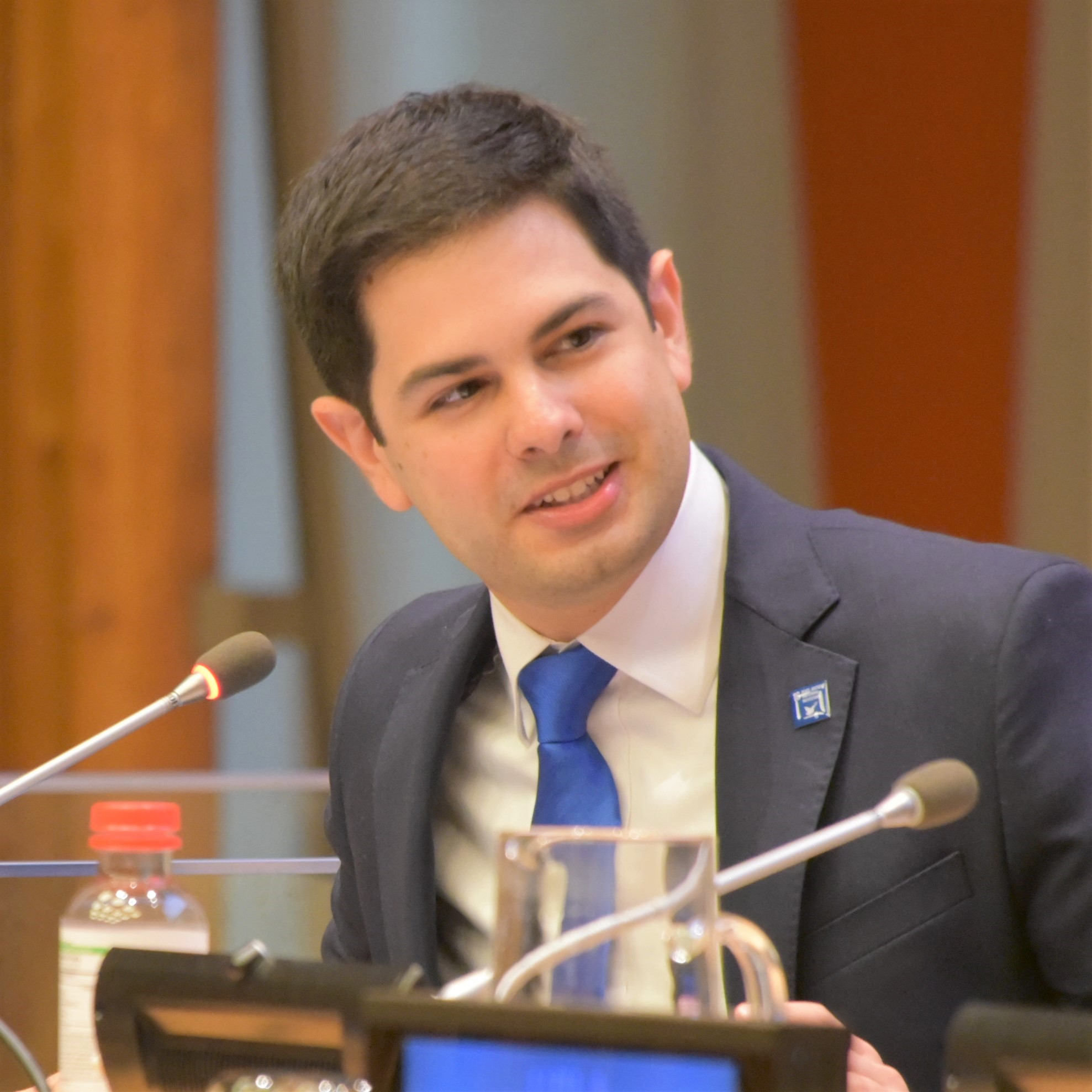
Gilberto joined us on February 19 to discuss Education and Justice.

Amir joined us on February 24 to discuss using AI for our common good.

Teresa joined us on March 8 to discuss the impact of COVID-19 on afterschool programs across the US
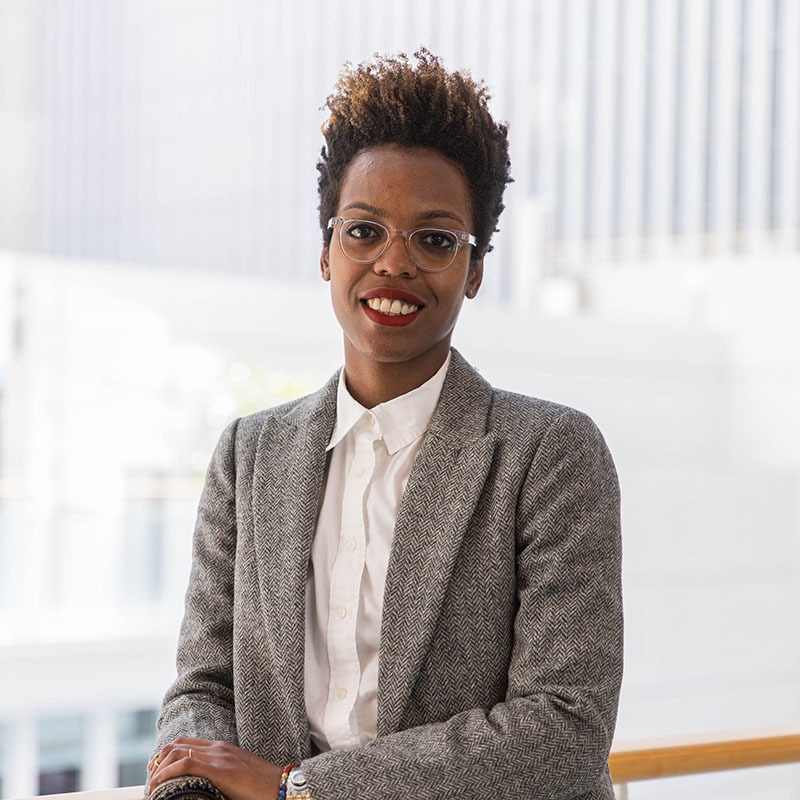
Alicia joined us on March 8 to discuss research on women in STEM around the world.
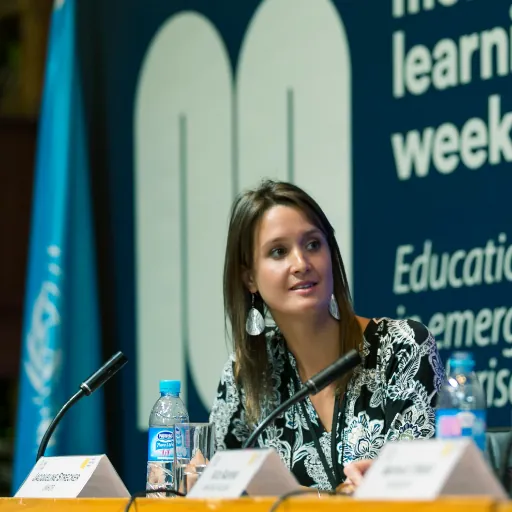
Jacqueline joined us on March 12 to discuss COVID-19's impact on learning in refugee communities

Mary-Jane Strom & Marisa Cidre from the Girl Scouts joined us on March 19.
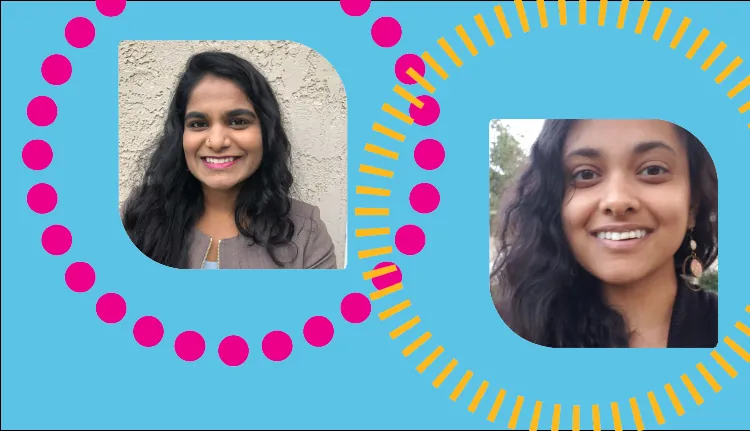
Navya Akkinepally and Shivi Chandra from Learning Equality joined us on April 9 to discuss how to bring quality eduction to everyone.

Hal Abelson joined us on April 16 to talk about how to tackle the UN's Sustainable Development Goals with code.
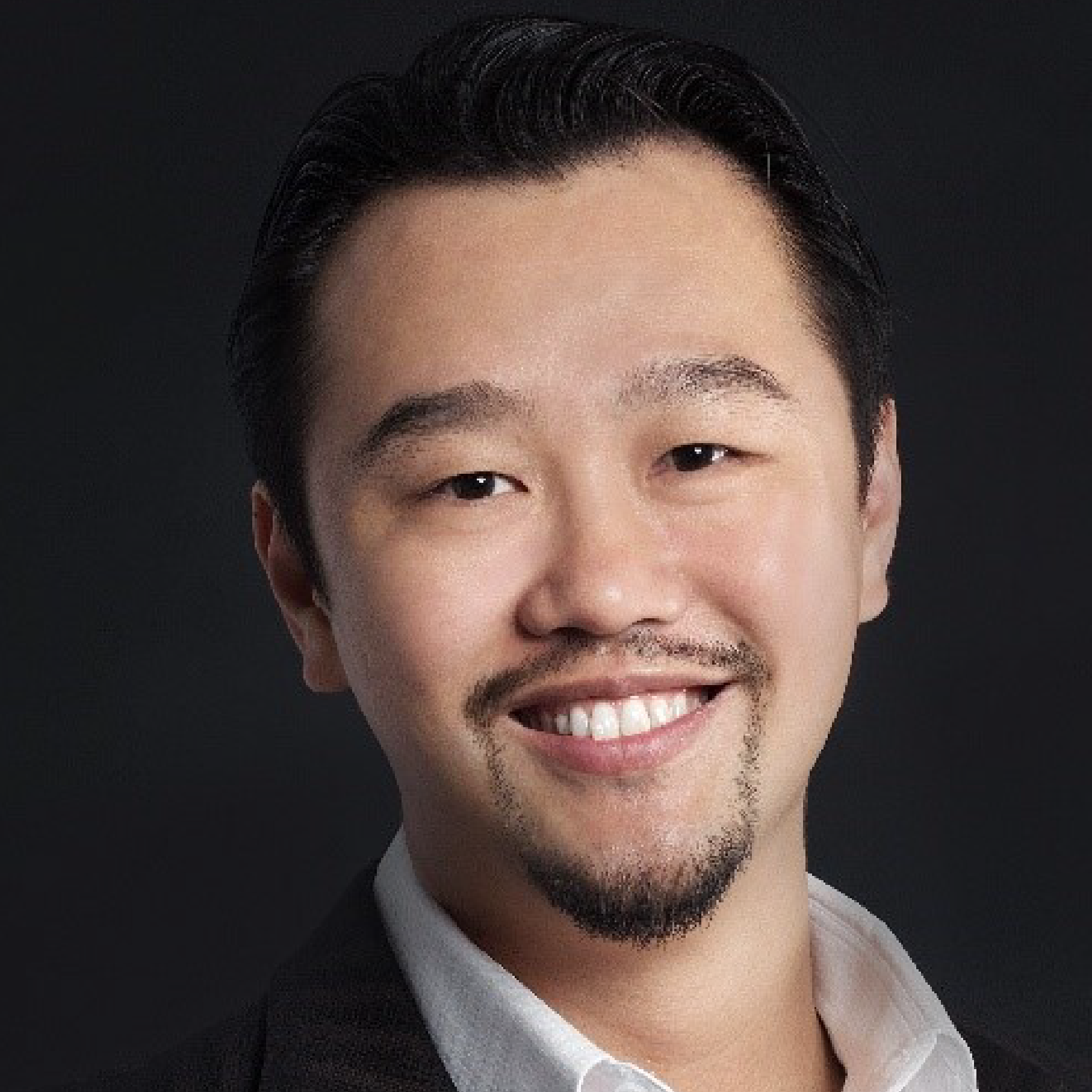
Sengmeng Koo joined us on April 23, to talk about AI Singapore, one of the most successful AI programs for the broader public.
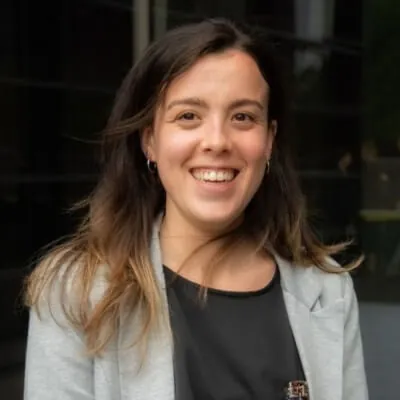
Aintzane Morales joined us on April 30 for a conversation about girls technology education in Spain.
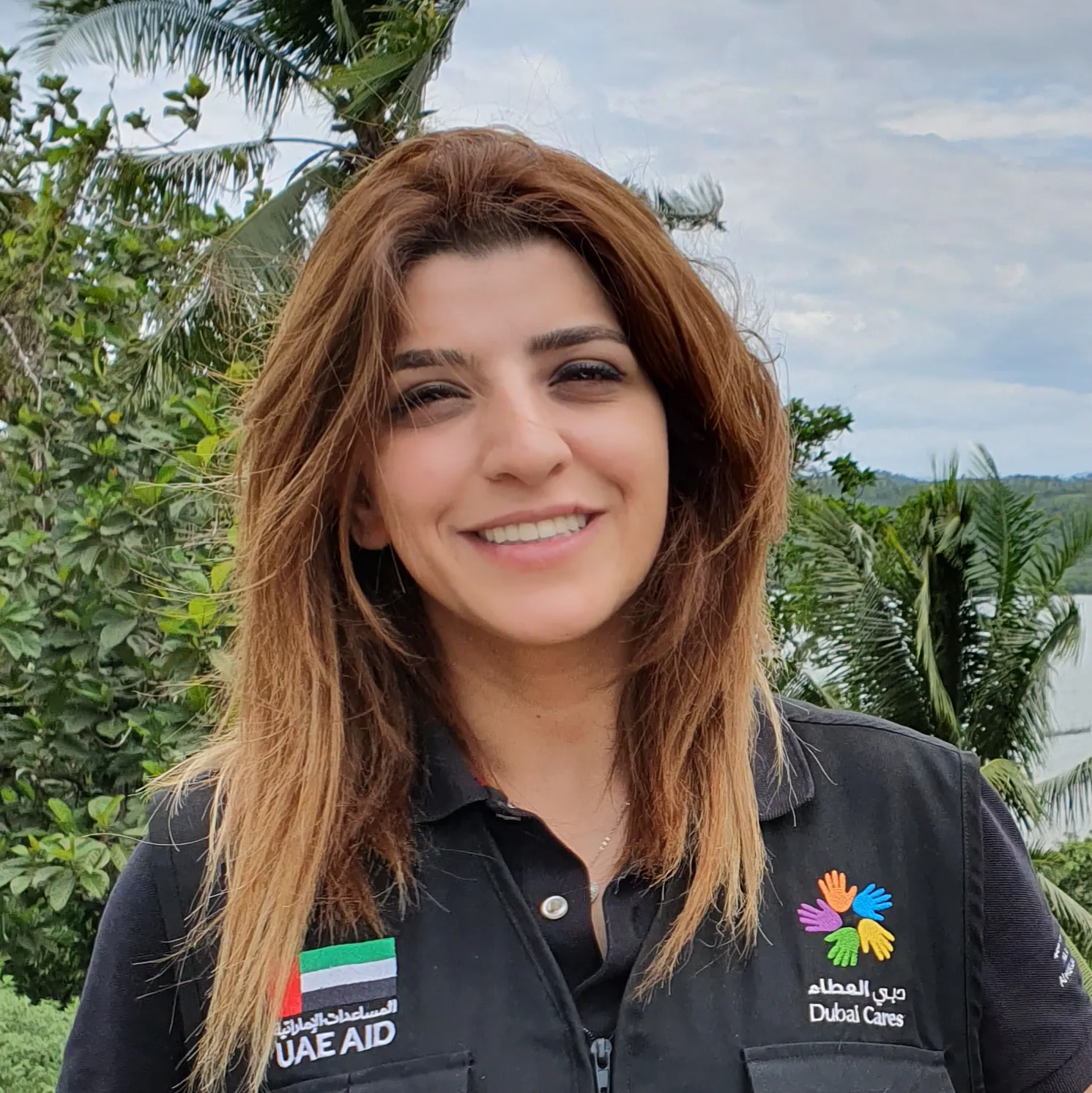
Dana Jawad Amro joined us on May 7 to discuss how to fund meanginful impacts in girls education

Mutriba Akhmedova joined us on May 14 to discuss girls technology education in Tajikistan

Katie Zee joined us on May 21 to discuss girls' technology education
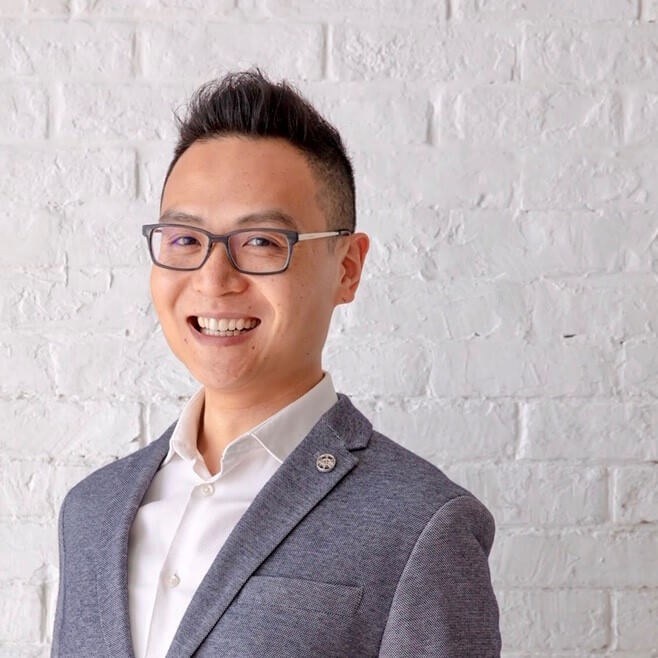
Bruce joined us on May 28 to discuss how to equip thousands of students with computational thinking skills
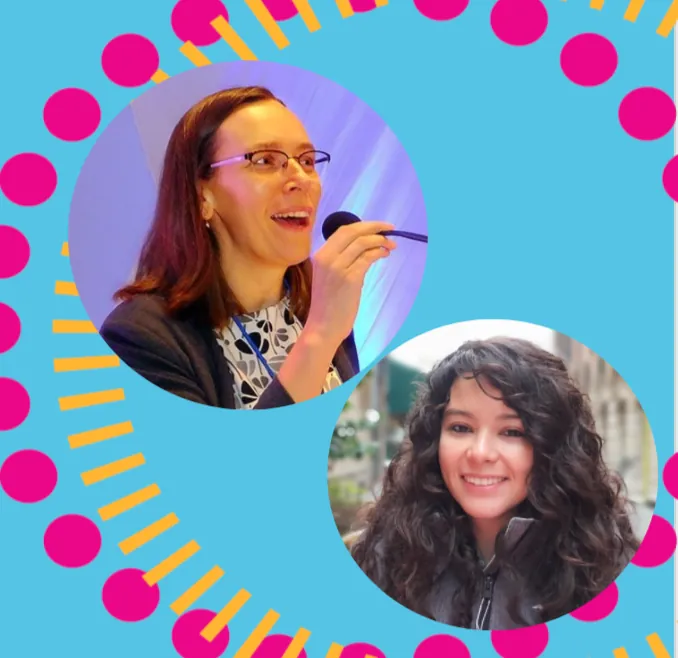
Maria and Laura joined us on June 4 for a conversation about girls’ technology education in Mexico

Sana joined us on June 11 for a conversation about girls’ tech education in Pakistan

Sidratul Moontaha joined us on June 18 for a conversation about women in technology.

Gregg Behr joined us on July 2 to talk about helping children wonder and learn

Neeraj Sharma joined us on July 9 to talk about helping girls in India engage in technology entrepreneurship
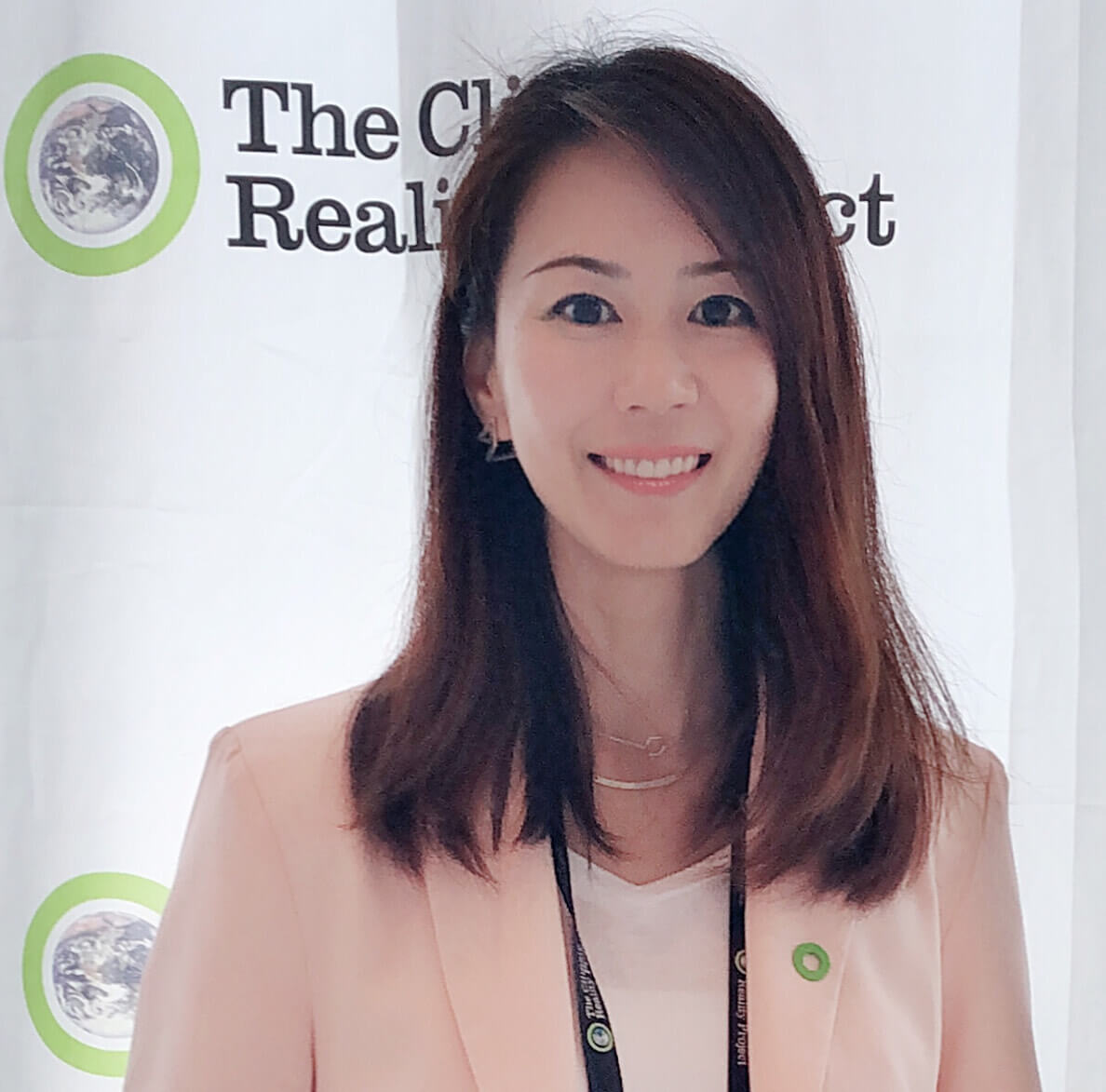
Vivienne Byrd joined us on July 23 for a conversation about engaging library communities in LA in STEM programs

Dharam Panwar joined us on July 30 for a conversation about STEM education in India

Dr. Christian Greer joined us on August 6 to talk about building STEM centers and learning hubs

Dr. Vikki Katz joined us on August 20, to talk about learning at home, while under-connected

Christina Pei, Chicago Learning Exchange joined us on August 28 to talk about connected communities

Erin English joined us on September 10, 2021 to discuss innovation in education

Join us for a conversation about how Cajon Valley mobilized to keep students learning through COVID

Tra-My Nguyen joined us for a conversation about innovation in education on September 24, 2021

Wolfgang Slany joined us on October 1, 2021 to talk about innovation in education.

Nathalia Goes joined us on October 6, 2021 to talk about her life and career after Technovation Girls

Jasmine Shaw joined us on October 11, 2021 to discuss creating and supporting effective STEM ecosystems
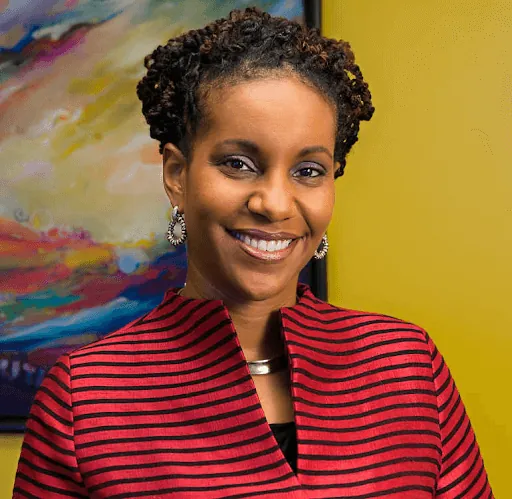
Dr. Tonya Matthews joined us on October 22, 2021 to discuss the impact of COVID-19 on museums
Technovation is a technology education nonprofit with a mission to empower vulnerable groups (especially girls and women) to create technology-based solutions to problems in their communities. Over the past 14 years, Technovation has engaged ~50,000 mentors and educators to support more than 250,000 participants across 100+ countries, to tackle pressing problems ranging from climate change to substance abuse, and most recently, COVID-19. Students and adults learn about technology entrepreneurship through a 12-week curriculum. Learners are equipped with 21st century skills of problem identification, complex systems thinking and real-world problem solving.
Copyright 2026 Technovation. All Rights Reserved
in the United States


