
The world is changing dramatically as artificial intelligence (AI) is integrated into our society and work so rapidly that it is increasingly known as the 4th Industrial Revolution. Characterized by exponential rates of discovery and adoption, this revolution brings together digital, physical, and biological systems, and like the revolutions of the steam engine, electricity, and computers that preceded it, Artificial Intelligence will change our values as much as the ways we live. A shift of this magnitude will require a shift to a new economic system that accounts for basic human needs and well-being, and in turn it offers (if not demands) an immense opportunity for many different groups to be part of this movement.
Technologies such as AI are powerful tools that can unlock an individual's potential and amplify a sense of agency and purpose. We not only need to learn more about AI, but also need to understand how to use it responsibly, and how we can improve AI technologies to create the world we wish to live in. To accomplish this, we must reimagine our approach to education.
Education needs to be seen as a lifelong journey everyone has the opportunity to pursue, and through which everyone can develop the skills needed to thrive tomorrow.
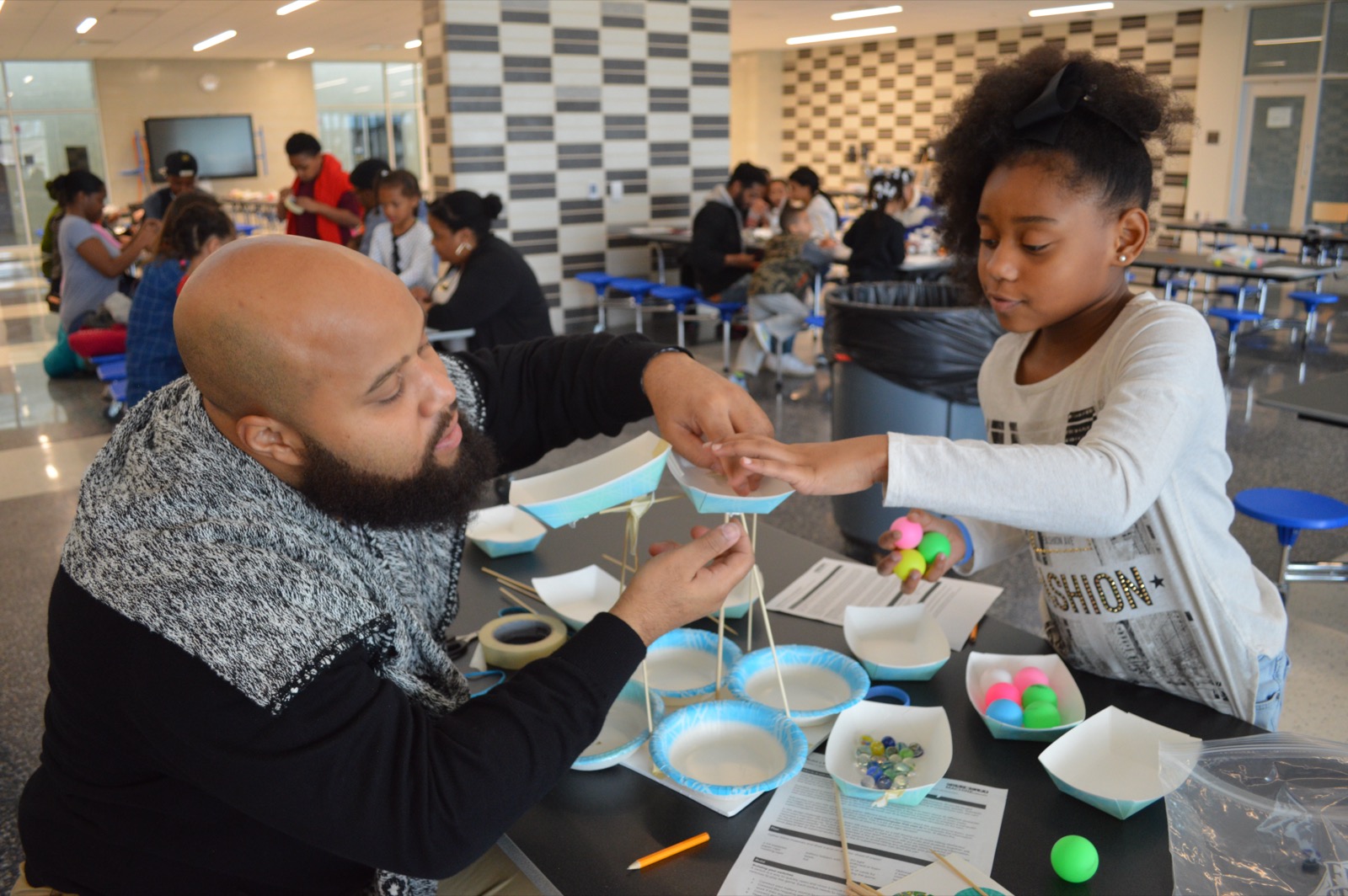
There is a need for grass-roots work with adults and children in the most vulnerable and underserved groups, to help them understand how their worlds are changing, what AI is, how some of these technologies work, and what role they can play, now and in the future.
There is a need for innovative, thoughtful, multi-generational programs that foster lifelong learning and knowledge sharing between local communities and AI experts from industry and academia.
There is a need for AI experts to work closely with media and journalists to help them demystify AI for the broader public. We need to move beyond inflammatory terms towards informed and critical debate that advances our understanding of AI's impact on society and what needs to improve and how.
Finally, we need innovative programs and resources that help us understand the impact of AI technologies on ourselves, our brains, and our behaviors. This is where we need partnerships between bold, self-aware industry partners and neuroscientists, cognitive scientists, psychologists and educators, who can work together to design technology that is not only addictive, viral and lucrative, but also brings out the best of what humans are capable of.
Be part of the conversation about the best way to meet these needs. Submit a proposal to be part of the Education Track at the UN AI for Good Global Summit
Iridescent invites organizations to join in its efforts to fill important gaps in access, knowledge, agency and skills by submitting a proposal for consideration to present during the education track at the UN AI for Good Global Summit on May 29 in Geneva. Participants will also have the opportunity to be part of the working group developing the final projects launching at the end of the Summit.
Submitting organizations will be notified of their selection by Monday, April 22.
Join us as we explore ways we can collectively use and apply AI to improve education in an impactful, sustainable, and ethical way.
Tara Chklovski, the CEO & Founder of global tech education nonprofit Iridescent, is chairing the education track at the UN's AI for Good Global Summit in Geneva. The track, titled “Reaching and Engaging 21st Century Learners” will explore how education organizations can creatively partner across industry, academia, media and policy makers to keep pace with the breathtaking advances in technology, particularly AI, to make the deepest impact in an agile, sustainable, and ethical way.
Copyright 2026 Technovation. All Rights Reserved
in the United States


