How do you get your children interested in science at home? What can a parent with kids of varying ages do to get everyone excited about STEM concepts? At Iridescent, we've learned that food is an amazing tool for elevating a child's interest in science! Cooking is an interactive, messy and (hopefully) delicious thing you can do at home to teach science concepts and conduct experiments. Kids of all ages enjoy making food with their family–2 year olds can help stir, 10 year olds can help with reading the recipe and teenagers can help with the hard stuff, like cutting. This is the first of four posts where we'll discuss our food science recipes.
Ready to learn about viscoelasticity through noodle making? Happy cooking–be sure to let us know how it goes!
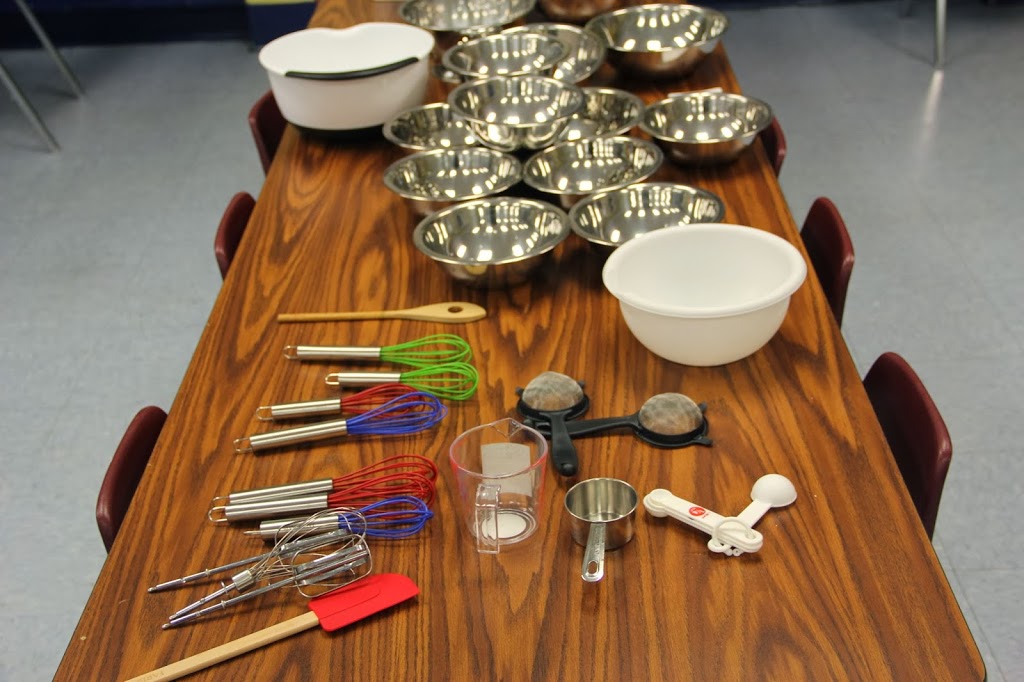
Noodle making is a great way to let your children explore measurements and different kneading/pulling techniques. Have them guess how much flour, salt and water to add to their mixtures and encourage variation. Giving them this freedom will greatly impact the way the noodles taste and their viscoelasticity–hopefully kids will start making the connection that different mixtures will produce varied results. So, in the vein of exploration, I'll only give very basic instructions for this recipe.
Here are some ideas you can talk with your children about during noodle making:
Copyright 2026 Technovation. All Rights Reserved
in the United States